
Specialized, Compassionate Memory Support at Home
Dementia & Alzheimer's Home Care
A dementia diagnosis changes everything — but it doesn't have to mean leaving home. With the right routines, safety, and trained caregivers, many people with dementia live well at home for years. Here's how Mary Angels helps Pittsburgh families.
- Next-day free consultation
- Just a 1-hour minimum

- PA Licensed
- 24/7 Available
- Vetted Caregivers
- Free Assessment
- LTC Insurance OK
Get In Touch
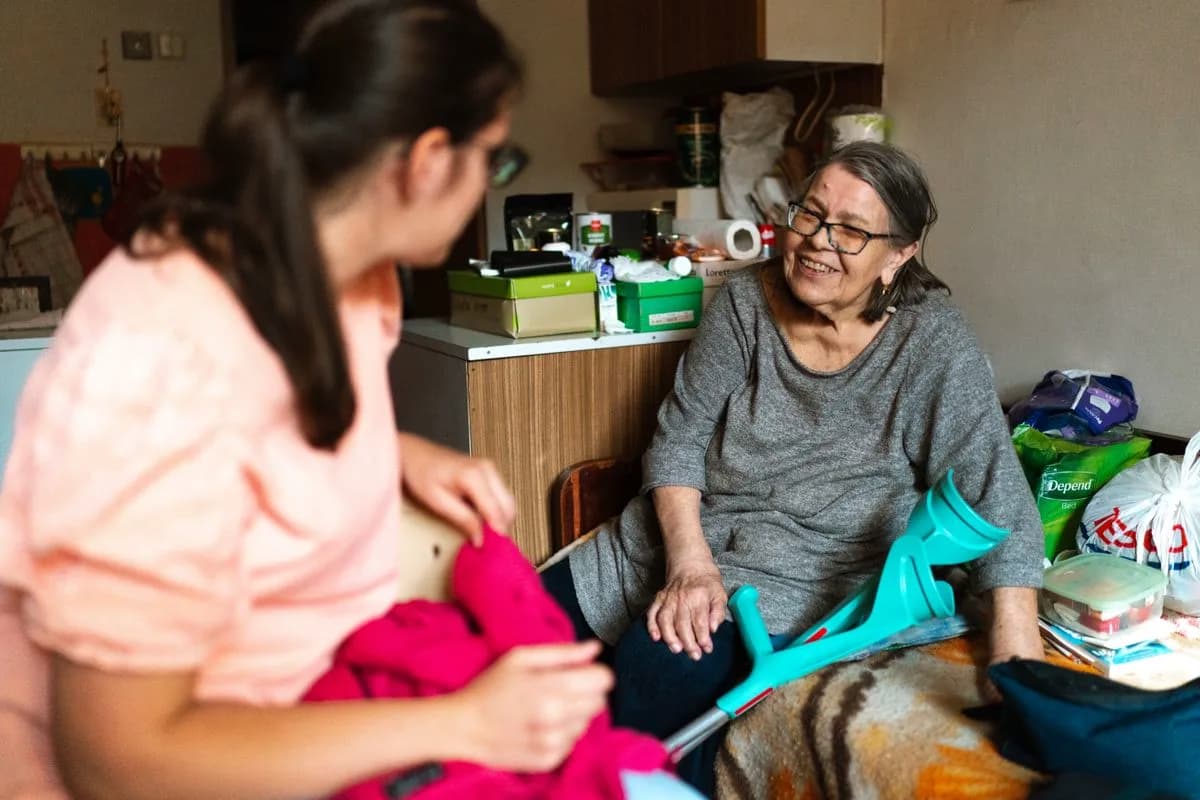
- In-home assessment, no obligation
- FreeIn-home assessment, no obligation
- Typical time from first call to first visit
- 48 hrsTypical time from first call to first visit
- Care availability, including overnight & live-in
- 24/7Care availability, including overnight & live-in
- Serving Pittsburgh & Allegheny County
- Since 2022Serving Pittsburgh & Allegheny County
In Depth
Everything you need to know
Read the full guide
Why home is often the best place
Familiarity is medicine for dementia. Known surroundings, routines, and faces reduce anxiety and confusion in ways a new facility often can't. With the right support at home, many families avoid or delay a move to memory care — see our comparison of memory care vs. home care.
How dementia care at home works
Consistent routines. Predictable days lower stress. Caregivers keep meals, activities, and rest on a steady rhythm.
Safety supervision. Wandering, kitchen hazards, and falls are real risks. Caregivers provide gentle, constant oversight without taking away dignity.
Redirection, not correction. Arguing with confusion makes it worse. Trained caregivers redirect calmly and meet your loved one in their reality.
Help with daily life. Bathing, dressing, grooming, meals, and medication reminders — handled with patience and respect.
Managing sundowning. Late-day agitation is common; our guide to sundowning explains how we help.
Respite for families. Caring for someone with dementia is exhausting. We give family caregivers a break — see respite care.
Stages and changing needs
Early on, a few hours of companionship and cueing may be plenty. As dementia progresses, needs grow toward full personal care and, eventually, 24/7 or live-in care. We adjust the plan as things change, so support always matches the moment.
A care team trained for memory loss
Our caregivers are trained specifically in dementia and Alzheimer's support — communication, de-escalation, safety, and engagement. We match a consistent caregiver whenever possible, because familiarity matters enormously for someone with memory loss. To talk through your situation, call 412-900-9354.
Helpful outside resources
For official, non-commercial information, these trusted organizations are a good place to start:
When Is It Time for More Help?
Families rarely get a clear signal. In practice, these are the moments that tell us a care plan needs to change:
- Night-time wandering — leaving the house after dark, or being unsafe while others sleep
- Sundowning — late-afternoon agitation, confusion, or distress that is getting harder to settle
- Missed medication — doses skipped, doubled, or forgotten entirely
- Falls, or a fear of falling that has stopped them moving around the house
- Weight loss from skipped or forgotten meals
- Caregiver burnout — the family carer is exhausted, unwell, or no longer sleeping
Most of these are solvable at home with the right support — often overnight or respite care rather than a full move. Adding hours is almost always less disruptive than relocating someone with dementia, because familiar surroundings and routines are themselves a form of treatment.
If you are unsure where your family sits, a free assessment costs nothing and will give you a straight answer either way.
Not sure where to start? We’ll help you figure it out.
Frequently asked questions
Can someone with dementia really stay at home?
How do caregivers handle agitation or aggression?
What about wandering and safety?
Does dementia care cost more than regular home care?
When should someone with dementia move from home to memory care?
How do you keep someone with dementia safe at home?
Does Medicaid cover dementia home care in PA?
Will my loved one have the same caregiver each time?
When should someone with dementia go into a care home?
Is it better to keep someone with dementia at home?
Why Pittsburgh Families Choose Mary Angels
Local & Family-Owned
We're your neighbors, not a large franchise.
Compassion You Can Trust
We treat your loved one like our own.
Experienced & Reliable
Highly trained caregivers and consistent care.
Available When You Need Us
Day or night, weekends and holidays.
How It Works
Your care journey, made simple
- 01
Connect with us
Call or request a free assessment. We listen and answer your questions.
- 02
Get a custom plan
We design a care plan tailored to your loved one's needs and routine.
- 03
Meet your caregiver
We carefully match you with an experienced, background-checked professional.
- 04
Enjoy peace of mind
Receive consistent, reliable care you can trust — often within 48 hours.
Free · No obligation
Request your free in-home assessment
Tell us a little about your loved one and we’ll walk you through your options. A care coordinator will reach out — usually the same day.
- PA Licensed
- BBB Accredited A+
- Care available 24/7
- Family & women-owned

Get In Touch

Talk to someone who can help today
Tell us about your loved one and we’ll walk you through your options — no pressure, no obligation.