
Dementia Care Support in Pittsburgh & Allegheny County
Sundowning Syndrome: A Family Guide for Pittsburgh Caregivers
If your parent seems calm during the day but becomes confused, restless, or upset as evening falls, you are not imagining it — and you are not alone. Sundowning is one of the most emotionally draining parts of caring for a loved one with dementia, and understanding what it is can help your whole family breathe a little easier.
- Next-day free consultation
- Just a 1-hour minimum

- PA Licensed
- 24/7 Available
- Vetted Caregivers
- Free Assessment
- LTC Insurance OK
Get In Touch
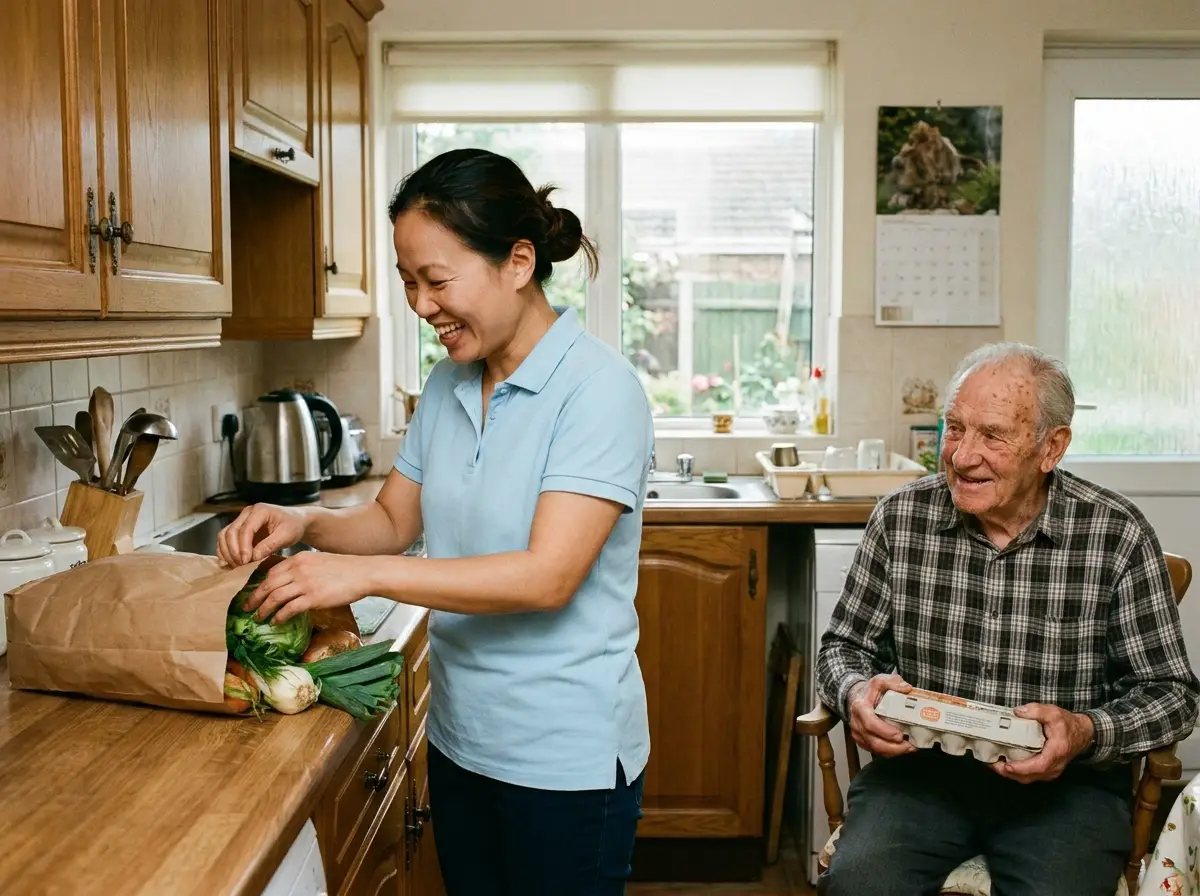
- Care available, including overnight & live-in support for sundowning families
- 24/7Care available, including overnight & live-in support for sundowning families
- Pittsburgh & Allegheny County neighborhoods served by Mary Angels
- 20Pittsburgh & Allegheny County neighborhoods served by Mary Angels
- In-home assessment to build a care plan around your loved one's schedule
- FreeIn-home assessment to build a care plan around your loved one's schedule
- Typical time from first call to a caregiver being in your home
- 48 hrsTypical time from first call to a caregiver being in your home
In Depth
Everything you need to know
Read the full guide
What Is Sundowning — and Why Does It Happen?
Sundowning is not a formal medical diagnosis, but it is a well-recognized pattern in Alzheimer's disease and other forms of dementia. The brain regions that regulate the sleep-wake cycle are affected by dementia, making it harder for your loved one to distinguish day from night.
As afternoon fades, you may notice:
- Increased confusion or disorientation ("Where am I? I need to go home.")
- Restlessness, pacing, or an urgent desire to leave
- Mood swings — sadness, suspicion, or sudden anger
- Calling out, repeating questions, or shadowing caregivers
- Difficulty settling down at bedtime
Pittsburgh families caring for a parent in neighborhoods like Squirrel Hill, Mt. Lebanon, or the North Hills often tell us that evenings feel like a second, harder shift — and that sense is completely valid.
Common Triggers to Watch For
Sundowning rarely comes out of nowhere. Certain things tend to make episodes more frequent or intense:
- Low light and shadows — dim or inconsistent lighting can increase confusion. Keeping rooms well-lit through early evening helps.
- Fatigue — if your loved one has been active or overstimulated during the day, their reserves are depleted by late afternoon.
- Hunger or thirst — skipping an afternoon snack can worsen restlessness.
- Changes in routine — an unfamiliar face, a doctor's appointment that ran long, or a houseguest can disrupt the sense of safety your parent relies on.
- Pain or discomfort — someone who cannot fully express pain may show it as agitation instead.
- Caregiver stress — your own tension, however understandable, can be sensed and reflected back.
Keeping a simple log for a week or two — noting what time symptoms start, what happened that afternoon, and what seemed to help — can reveal patterns that make a real difference.
Practical Strategies That Can Help at Home
There is no single fix, but a combination of small, consistent changes often brings noticeable relief:
Routine and structure
- Keep meals, activities, and bedtime at the same times every day.
- Schedule the most stimulating activities (a walk, a phone call with grandchildren) for late morning or early afternoon — not late in the day.
Environment
- Turn on indoor lights before natural light fades to reduce shadows.
- Reduce background noise — turn off the television news, which can feel alarming even when not understood.
- Use familiar objects, photos, and music from your loved one's past to create calm anchors.
Evening wind-down
- Offer a light snack and a warm, caffeine-free drink in the late afternoon.
- Try gentle activities: folding towels, looking through a photo album, or listening to favorite music from their era.
- Avoid arguments or corrections — redirect calmly rather than trying to reason through confusion.
For caregivers in Allegheny County: if your parent is fixated on "going home" or "picking up the kids," joining them briefly in that emotional world (rather than correcting it) often calms the moment far more quickly than a logical explanation.
When You Need a Second Set of Hands
Sundowning is genuinely exhausting, especially when you are also working, raising your own children, or managing from across Pittsburgh or Allegheny County. This is not a sign that you have failed — it is a sign that you need support, which is exactly what home care is for.
A trained Alzheimer's & dementia care companion can take the evening shift so you can rest. They know how to redirect, how to stay calm when a moment escalates, and how to maintain the consistent routine that helps your loved one feel safe. For families whose loved one's sundowning extends into the overnight hours, 24/7 & live-in care means someone is always present — not just on call.
Respite care is another option worth knowing about: a scheduled caregiver comes in for a block of hours specifically so you can step away, sleep, or simply not be "on" for a few hours. Family caregivers who rest are better caregivers — full stop.
How Mary Angels Supports Sundowning Families Across Pittsburgh
Mary Angels Home Care is a family-owned, women-owned, PA-licensed non-medical home care agency serving families throughout Pittsburgh and Allegheny County since 2022. We are not a franchise. When you call us, you speak with someone who knows this community.
Our caregivers are matched to your loved one's personality, schedule, and needs. For sundowning families specifically, we focus on:
- Consistent caregiver assignments so your parent always sees a familiar face
- Shift timing built around when symptoms typically begin (often 3–6 p.m.)
- Close communication with family members so you know how each evening went
- Coordination with your loved one's existing care team — without overstepping into medical territory
We serve families across the Pittsburgh region, including in North Hills, Mt. Lebanon, Squirrel Hill, Fox Chapel, Bethel Park, and more than a dozen other Allegheny County communities.
If you are not sure whether home care is the right fit right now, a free in-home assessment is always the right first step. Call us at 412-900-9354 or email info@maryangelshomecare.com — no pressure, no sales pitch, just a real conversation.
Helpful outside resources
For official, non-commercial information, these trusted organizations are a good place to start:
Not sure where to start? We’ll help you figure it out.
Frequently asked questions
Is sundowning dangerous?
Will sundowning get worse over time?
My parent keeps saying they want to go home — what do I say?
Can non-medical home care really help with sundowning?
How do I pay for evening or overnight dementia care?
How quickly can you start?
Why Pittsburgh Families Choose Mary Angels
Local & Family-Owned
We're your neighbors, not a large franchise.
Compassion You Can Trust
We treat your loved one like our own.
Experienced & Reliable
Highly trained caregivers and consistent care.
Available When You Need Us
Day or night, weekends and holidays.
How It Works
Your care journey, made simple
- 01
Connect with us
Call or request a free assessment. We listen and answer your questions.
- 02
Get a custom plan
We design a care plan tailored to your loved one's needs and routine.
- 03
Meet your caregiver
We carefully match you with an experienced, background-checked professional.
- 04
Enjoy peace of mind
Receive consistent, reliable care you can trust — often within 48 hours.
Free · No obligation
Request your free in-home assessment
Tell us a little about your loved one and we’ll walk you through your options. A care coordinator will reach out — usually the same day.
- PA Licensed
- BBB Accredited A+
- Care available 24/7
- Family & women-owned

Get In Touch

Talk to someone who can help today
Tell us about your loved one and we’ll walk you through your options — no pressure, no obligation.