
A Guide for Pittsburgh Families
How to Talk to Aging Parents About Accepting Help
If you've noticed your mom or dad struggling but don't know how to bring it up without starting a fight, you're not alone. This guide gives you real words to use, common mistakes to avoid, and a path forward that respects your parent's dignity.
- Next-day free consultation
- Just a 1-hour minimum

- PA Licensed
- 24/7 Available
- Vetted Caregivers
- Free Assessment
- LTC Insurance OK
Get In Touch
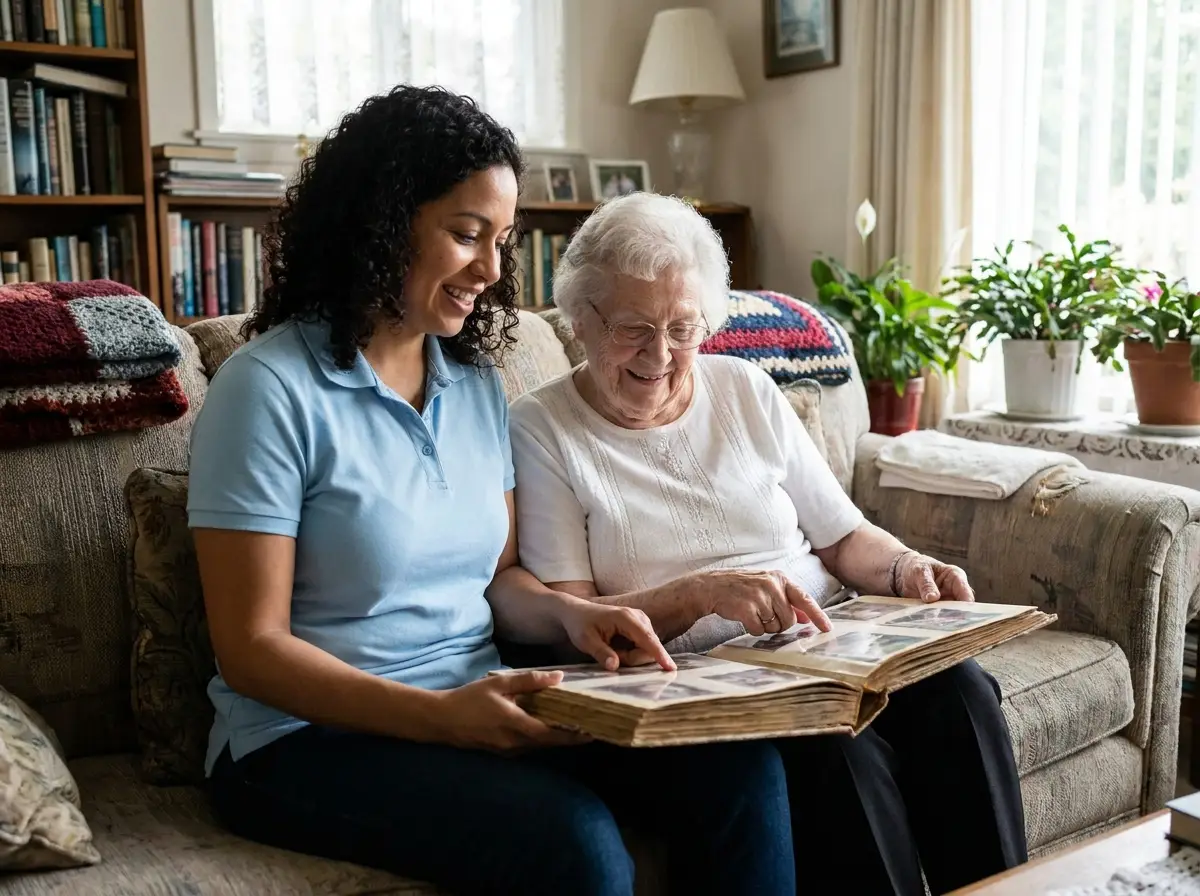
- No-cost in-home assessment for Pittsburgh families
- FreeNo-cost in-home assessment for Pittsburgh families
- Typical time from first call to first visit
- 48 hrsTypical time from first call to first visit
- Pittsburgh & Allegheny County neighborhoods served
- 20+Pittsburgh & Allegheny County neighborhoods served
- Care availability, including live-in options
- 24/7Care availability, including live-in options
In Depth
Everything you need to know
Read the full guide
Why This Conversation Is So Hard
Most adult children put off this talk for months — sometimes years. That's understandable. You're not just discussing logistics; you're touching on your parent's identity, their fear of losing control, and the unspoken truth that things are changing.
For a Pittsburgh dad who spent 40 years building a home in Mt. Lebanon or a mother who raised her family in Squirrel Hill, accepting help can feel like surrendering the life she built. That fear deserves respect, not argument.
Common reasons families avoid this conversation:
- Fear of hurting your parent's feelings or triggering anger
- Not knowing what words to use
- Worrying your parent will feel "put in a home"
- Hoping the problem resolves itself
It rarely resolves itself. The kindest thing you can do is begin — gently, and without an agenda.
Before You Say Anything: Get Your Own Head Straight
Before you sit down with your parent, be honest with yourself about what you've actually observed. Vague concerns ("I feel like you're not doing well") are easy to dismiss. Specific, caring observations are harder to argue with.
Ask yourself:
- What exact changes have I noticed — missed meals, unpaid bills, falls, a messy house?
- Am I bringing this up out of love, or also out of my own stress and exhaustion?
- Do I have a specific type of help in mind, or am I still figuring that out?
It also helps to check the signs your aging parent needs home care before the conversation, so you can name what you've seen clearly and calmly.
How to Start the Conversation (With Real Scripts)
Choose a calm moment — not right after an incident, and not over the phone if you can avoid it. Sit down together, without distraction.
Opening lines that tend to work:
- "Dad, I love you and I've noticed a few things lately that have me a little worried. Can we talk about it?"
- "Mom, I'm not here to push anything on you. I just want to understand how you're really doing."
- "I know you've always taken care of everything yourself, and I admire that. I just want to make sure you have what you need."
What to avoid:
- "You can't be living alone anymore." (Strips agency immediately.)
- "I talked to your doctor and they think..." (Feels like a conspiracy.)
- "We need to make a decision today." (Creates pressure that backfires.)
- Starting with a list of solutions before they've had a chance to speak.
If they push back:
Expect it. "I'm fine" is almost always the first response. Don't argue. Try: "I believe you feel fine. And I just want to make sure we have a plan so that stays true."
Frame Help as Staying Home — Not Leaving It
The biggest fear most seniors have is being moved to a facility. If your parent associates "getting help" with "going to a nursing home," the conversation will hit a wall fast.
Non-medical home care is the opposite of that. A caregiver coming to the house — to help with bathing, prepare a meal, drive to a Monroeville appointment, or simply spend a few hours of companionship in Shadyside — means your parent gets to stay exactly where they are.
Try saying:
- "This isn't about moving anywhere. It's about making sure you can stay right here in this house."
- "A helper would come to you — you'd still be in charge of your day."
- "You'd get to choose who comes, when they come, and what they do."
You might also explore in-home care in Pittsburgh together — not as a done deal, but as something to look at and decide about together.
When One Conversation Isn't Enough
It usually takes more than one talk. That's not failure — that's how big decisions work.
Some things that help over time:
- Bring in a trusted voice. A primary care doctor, a pastor, or a sibling your parent respects can carry more weight than you can in this moment. Ask them to mention it naturally.
- Let your parent lead. Ask "What would make you feel more comfortable at home?" rather than presenting a plan.
- Start small. A few hours of companion care a week feels very different from full-time help. A small first step builds trust.
- Address caregiver burnout honestly. If you're stretched thin, it's okay to say so. "I want to keep helping you, and I need a little support too" is a real and honest thing to say. You can read more about this at caregiver burnout: when to bring in help.
- Give it time between conversations. Planting a seed and walking away respectfully often works better than pressing.
If your parent has memory changes, the conversation may need to be approached differently — see our Alzheimer's & dementia care page for guidance specific to families navigating cognitive decline.
How Mary Angels Can Help You Take the Next Step
Mary Angels Home Care is a family-owned, women-owned, Pennsylvania-licensed non-medical home care agency serving Pittsburgh and Allegheny County — including neighborhoods from Bethel Park to the North Hills. We've been in families' homes since 2022, and we understand that the call to us is often made before anyone else in the family even knows it's happening.
Our free in-home assessment is a no-pressure conversation — not a sales pitch. We'll listen to what your family needs, answer your questions honestly, and help you think through options at whatever pace makes sense.
If you're ready to take a next step, call us at 412-900-9354 or email info@maryangelshomecare.com. There's no obligation and no rush.
Helpful outside resources
For official, non-commercial information, these trusted organizations are a good place to start:
Not sure where to start? We’ll help you figure it out.
Frequently asked questions
What if my parent refuses to talk about getting help at all?
Should I involve my parent's doctor in this conversation?
How do I talk to siblings who disagree about what kind of help is needed?
My parent says they don't want a stranger in their home. How do I address that?
Is there a good time of year to have this conversation?
What if my parent agrees to help but then cancels or pushes the caregiver away?
Why Pittsburgh Families Choose Mary Angels
Local & Family-Owned
We're your neighbors, not a large franchise.
Compassion You Can Trust
We treat your loved one like our own.
Experienced & Reliable
Highly trained caregivers and consistent care.
Available When You Need Us
Day or night, weekends and holidays.
How It Works
Your care journey, made simple
- 01
Connect with us
Call or request a free assessment. We listen and answer your questions.
- 02
Get a custom plan
We design a care plan tailored to your loved one's needs and routine.
- 03
Meet your caregiver
We carefully match you with an experienced, background-checked professional.
- 04
Enjoy peace of mind
Receive consistent, reliable care you can trust — often within 48 hours.
Free · No obligation
Request your free in-home assessment
Tell us a little about your loved one and we’ll walk you through your options. A care coordinator will reach out — usually the same day.
- PA Licensed
- BBB Accredited A+
- Care available 24/7
- Family & women-owned

Get In Touch

Talk to someone who can help today
Tell us about your loved one and we’ll walk you through your options — no pressure, no obligation.